Post By
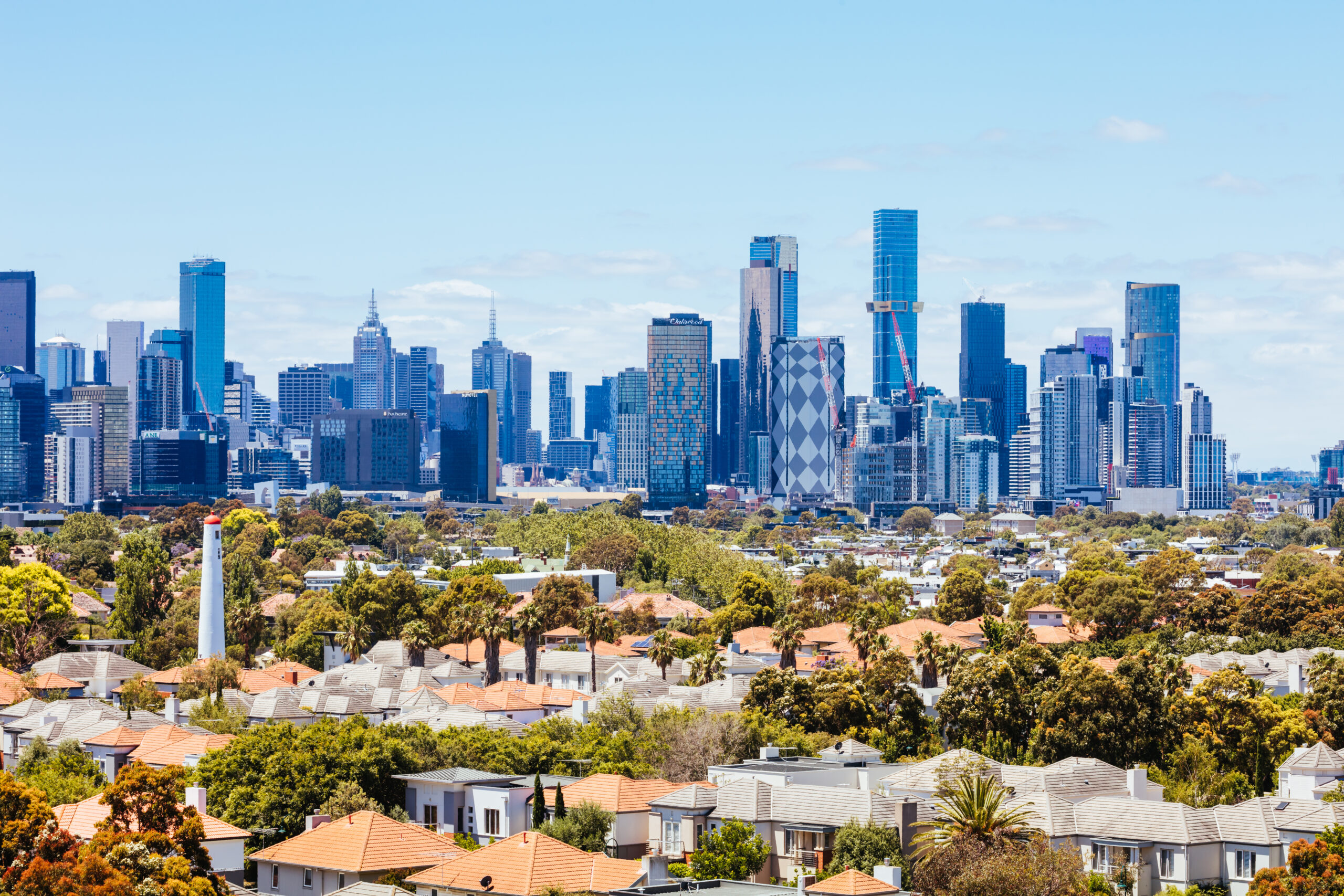
For several years, Melbourne’s property market sat quietly while Sydney and Brisbane captured the headlines. But experienced investors know that periods of low noise often create the best buying opportunities. Today, we are seeing the “Slingshot Effect”, a period where Melbourne’s market snaps back to lead the nation.
Major analysts like Westpac and KPMG predict Melbourne will be Australia’s top growth performer throughout 2026.
- Houses: Median price is $973,500 (up 8% this year).
- Units: Median price is $656,500, the fastest growth since 2021.
For buyers and investors researching where to buy in Melbourne, the current cycle presents a rare opportunity. Many of the best suburbs to invest in Melbourne 2024 are no longer inner-city prestige locations; rather, they are up-and-coming suburbs that combine affordability, rising rental demand, and long-term growth drivers.
As property specialists at Investor Partner Group, we work closely with investors to identify these high-performing suburbs, focusing on opportunities that deliver strong rental yields, long-term capital growth, and data-backed investment potential.
How We Selected Top Melbourne Suburbs
Melbourne is not a single market, and selecting the right suburb requires analysing demand drivers, supply risk, and price-to-yield balance at a local level.
Rather than chasing hype, be a smart investor and focus on:
- Entry price vs yield balance
- Suburbs with consistent rental demand
- Areas benefiting from long-term infrastructure and population growth
The suburbs featured in this guide were shortlisted based on several core investment criteria:
- Affordability relative to Melbourne’s median prices
- Rental yield strength, particularly for established properties
- Consistent tenant demand driven by employment, education, transport, or lifestyle factors
- Long-term growth fundamentals, rather than short-term speculation
- Suitability of property type, avoiding high-risk oversupply markets
Importantly, all suburbs included are within Greater Melbourne, ensuring relevance for investors specifically targeting the Melbourne market. Whether you’re buying your first investment property or expanding your portfolio, this article is designed to help you make informed, confident decisions.
To understand the complete property ecosystem, read “A Holistic Property Ecosystem for Real Estate Success” authored by the CEO and founder of Investor Partner Group.
Top Suburbs to Invest in Melbourne At a Quick Glance
Below are the suburbs covered in this guide. These fastest-growing suburbs in Melbourne are attracting investors focused on sustainable returns through investment property rather than short-term speculation.
| Suburb | Price – Established (Min) | Price – Established (Max) | Yield | Prediction Accuracy Rating | Postcode |
| Maribyrnong | $376,000 | $564,000 | 6.95% | 81%–90% | 3032 |
| West Footscray | $356,000 | $534,000 | 6.15% | 81%–90% | 3012 |
| Sunshine | $426,400 | $639,600 | 5.55% | 71%–80% | 3020 |
| Dandenong | $336,000 | $504,000 | 6.35% | 81%–90% | 3175 |
| Clayton South | $476,000 | $714,000 | 6.05% | 81%–90% | 3169 |
| Richmond | $449,600 | $674,400 | 6.75% | 81%–90% | 3121 |
| Frankston | $440,000 | $660,000 | 5.55% | 81%–90% | 3199 |
| Seaford | $484,800 | $727,200 | 5.45% | 71%–80% | 3198 |
| Melton | $408,000 | $612,000 | 5.05% | 81%–90% | 3337 |
| Werribee | $352,000 | $528,000 | 5.85% | 71%–80% | 3030 |
Melbourne’s strongest booming suburbs share common characteristics: population growth, infrastructure investment, and consistent rental demand. Many of the growing suburbs in Melbourne identified in this guide are benefiting from long-term urban planning rather than short-term market hype.
Unlike high-risk oversupply areas, these upcoming suburbs in Melbourne demonstrate limited land availability, strong owner-occupier demand, and employment access. This combination supports both capital growth and rental stability, making them attractive options for investors seeking the best areas to invest in Melbourne over the next property cycle.
An In-Depth Investor Guide: Top 10 Suburbs to Invest in Melbourne
By focusing on demand-driven suburbs with solid fundamentals, investors can position themselves for sustainable returns in one of Australia’s most resilient property markets.
Maribyrnong (3032)
Maribyrnong has steadily positioned itself as one of Melbourne’s strongest inner-west investment suburbs for unit buyers seeking both yield and long-term capital growth. Located just six kilometres from the CBD, the suburb benefits from proximity to major employment hubs, multiple transport corridors, and lifestyle amenities along the Maribyrnong River precinct. These fundamentals continue to underpin consistent rental demand, particularly from professionals and small households.
In the Maribyrnong area, established unit prices have ranged from approximately $376,000 to $564,000. This has placed the location firmly within reach of investors priced out of the inner north and inner east of Melbourne. However, rental returns in the area remain strong and highly attractive at 6.95%, making it one of the highest in the inner metro region.
Infrastructure investment constitutes another key factor. Continuous development in road networks, transport systems, and adjacent retail precincts has not only increased accessibility but also created a liveable environment in the suburb. This positions Maribyrnong as one of the best suburbs to buy investment property in Melbourne for yield-focused investors.
West Footscray (3012)
West Footscray continues to rank as the best suburb to invest in Melbourne due to its balance of affordability and rental demand. Being just seven kilometres out from Melbourne’s central business district, it still continues to enjoy the gentrification benefits of the Footscray and Yarraville areas that offer yet another more accessible option for investors.
Typically, the prices of units in West Footscray range from $356,000 to $534,000, making the suburb an affordable unit market. The rental yields range from an approximate 6.15% figure. This is driven by the strong rental interest in the area from persons seeking proximity to the city, public transport hubs, and the CBD without incurring the high costs of the inner city.
The fact is, the suburb is well serviced by rail, buses, and arterial roads, and is close to the eventual location of the Victoria University and the Footscray Hospital precincts. West Footscray has avoided large-scale high-rise development, which has helped protect rental performance and limit oversupply pressures.
Sunshine (3020)
Sunshine remains one of the best areas to buy in Melbourne for investors seeking long-term urban renewal exposure. As a designated activity centre, the suburb is positioned to benefit from ongoing urban renewal, employment expansion, and transport connectivity.
Established unit prices in Sunshine generally range between $426,400 and $639,600, placing the suburb at a mid-range price point within Melbourne’s west. Rental yields average around 5.55%, reflecting strong tenant demand driven by accessibility, affordability, and proximity to employment nodes. Sunshine’s role as a transport interchange, including rail connections and major road access, continues to attract renters commuting across metropolitan Melbourne.
The suburb’s long-term growth outlook is closely tied to infrastructure projects and increased residential density near the activity centre. While this supports population growth and economic activity, investors should remain selective, focusing on well-located units with strong owner-occupier appeal to mitigate future supply risks.
Dandenong (3175)
Dandenong is a significant employment and commercial centre outside the CBD, making it a consistent performer in terms of rental returns, given the diversity of its economy, transport infrastructure, and cost. In particular, the demand for units remains an area of interest there.
Established unit prices usually span between $336,000 and $504,000, making Dandenong an affordable investment option compared to other metropolitan counterparts. The average yield stands at 6.35%, a manifestation of the tremendous rental need due to employment and the presence of educational and family-oriented facilities in the area.
Major transport corridors such as rail, arterial roads, and bus services are readily available in Dandenong. Furthermore, health services and education are readily accessible. All these factors ensure that vacancy rates are low and that tenant turnover is consistent.
Clayton South (3169)
Clayton South offers an opportunity for investors to market themselves within the growth corridor at Melbourne’s south-east while being relatively more affordable compared to other suburbs that are closer to industries and big employment hubs around Monash University.
Unit prices range from approximately $476,000 to $714,000, with rental yields averaging 6.05%. Demand is driven by workers employed in nearby industrial and commercial areas, as well as tenants priced out of Clayton and Oakleigh.
The suburb’s appeal lies in its balance between affordability and access. While not a lifestyle suburb, Clayton South provides practical housing close to employment and transport, which underpins rental stability.
Richmond (3121)
Richmond is unquestionably one of Melbourne’s tightly held investment sub-markets in the inner city, driven by its proximity to the CBD and lifestyle offering, combined with its varied access to work patterns.
Even with higher entry levels, the suburb offers strong rental returns.
Existing unit prices range between $449,600 and $674,400, while rental returns have an average yield of 6.75%, considered to be high and attractive, although it is an inner-city suburb.
Furthermore, Richmond has a small land supply and still has existing demand for owner occupation, which can provide positive long-term investment growth. Overall, investment growth can be significant, and with a prediction accuracy rating of 81% to 90%, the investment is not compromised.
Frankston (3199)
Frankston has undergone considerable change over the last decade, evolving from what was perceived as a peripheral suburb to an acknowledged metropolitan and regional centre, servicing the Mornington Peninsula corridor of metropolitan Melbourne.
Typically, the established prices per unit range from $440,000 to $660,000. This puts it into a relatively accessible bracket for entry. Despite this, rental demand is deemed to be healthy with an average yield of 5.55%. Frankston is increasingly recognised as one of the best suburbs in Melbourne to invest in for income and regional growth.
Established unit prices range from $449,600 to $674,400, while rental yields average around 6.75%, an unusually strong figure for an inner-city suburb. Demand is driven by professionals, students, and downsizers seeking walkability and transport access.
Seaford (3198)
Seaford, on the other hand, provides exposure to a coastal lifestyle within metropolitan Melbourne, offering an affordability level which, as yet, is still accessible, especially when comparing it with as yet undeveloped bayside areas. Seaford is found on Port Phillip Bay, connected by rail services as well as major roads.
Unit prices are established between $484,800 and $727,200 in the established area of Seaford. This is due to lifestyle appeal as well as the scarce land availability along the coastal region. Rental yield levels average at 5.45%, assisted by the consistent demand for rental properties by professionals, downsizers, and lifestyle-oriented tenants.
One of Seaford’s key investment advantages is that of the supply constraint. Developments within coastal suburbs are generally subject to natural constraints, and this may assist in preserving property over long periods. It is true that there is development within Seaford, though it is managed compared to other areas in the inner city concerning apartments.
Melton (3337)
Melton emerges as a significant outer west growth corridor for Melbourne, largely based on affordability factors, population increases, and investment in infill developments. Metropolitan Melbourne’s westward expansion continues to see the significance of the Melton area in
Seaford offers investors coastal exposure within metropolitan Melbourne at a price point that remains more accessible than many comparable bayside suburbs. Located along Port Phillip Bay and well connected by rail and major road networks, Seaford appeals to renters seeking a coastal lifestyle without sacrificing commuting convenience.
Established unit prices in Seaford generally range from $484,800 to $727,200, reflecting its lifestyle positioning and limited coastal land availability. Rental yields average approximately 5.45%, supported by steady tenant demand from professionals, downsizers, and lifestyle-focused renters attracted to beach access and open green spaces.
One of Seaford’s key investment strengths is the supply constraint. Coastal suburbs typically face natural development limitations, which can help protect values over the long term. While development activity exists, it is more controlled compared to inner-city apartment markets, reducing the risk of oversupply impacting rental performance.
Werribee (3030)
Werribee stands out as a best place to invest in Melbourne for land-based, long-term property strategies. It is an important node in western Melbourne, providing opportunities in land-based investments that attract long-term investors focused on population growth. Its location ensures access to employment centres, learning institutes, and developing infrastructure networks.
Generally, Werribee land price ranges between $352,000 and $528,000. This makes it relatively more affordable compared to land in inner and middle-ring Melbourne suburbs. The rental yield is 5.85% on average. This is underpinned by demand for Werribee land from families as well as those seeking to establish large dwellings for proximity to Melbourne’s CBD and the western industrial area.
As Melbourne’s west continues to expand to accommodate a considerable proportion of new residents, Werribee will continue to reap the benefits of ongoing housing needs and developing infrastructure.
Related Articles
Best Suburbs to Invest in Sydney 2026
Best Suburbs to Invest in Perth 2026
Best Suburbs to Invest in Brisbane – 2026
Strategic Insights for the Melbourne Property Market
Mismatched Property Types: Buying a home that doesn’t fit the local demographic (e.g., a studio in a family suburb), leading to high vacancies and poor resale value.
Buying at the Market Peak: Letting “FOMO” drive a purchase during a boom, which results in paying a premium and waiting years just to break even.
Overlooking High-Density Supply: Investing in large apartment blocks where massive future supply makes your unit “common” rather than “scarce,” killing price growth.
Miscalculating Holding Costs: Failing to budget for Victoria’s high land tax, council rates, body corporate fees, and maintenance that can turn a profit into a loss.
Chasing Headlines: Focusing on sensationalist media trends instead of core drivers like infrastructure, scarcity, and owner-occupier demand.
Conclusion
Melbourne’s property market is not about chasing the short-term hype any longer; it’s now about strategic suburb selection, sustainable rental income, and long-term fundamentals. After several years of patchy performance, the market has now stabilised, rents have strengthened, and investor activity is gradually trickling back into well-positioned, value-driven suburbs.
For investors asking where to buy in Melbourne, the answer isn’t one single suburb, it’s about aligning your budget, risk tolerance, and investment horizon with suburbs that have proven fundamentals and room to grow. If you want clarity on where to buy in Melbourne, which suburbs align with your budget, and how to structure a high-performing investment, speaking with a qualified expert can save years of costly mistakes.
Get Expert Guidance on Choosing the Right Melbourne Suburb with Investor Partner Group
If you’re planning to invest in Melbourne, but want clarity on which suburb best aligns with your financial goals, risk tolerance, and budget, it’s worth seeking tailored advice from a property investment specialist at Investor Partner Group. With expert insights and data-driven strategies, our team helps you make informed decisions, identify high-performing opportunities, and build a resilient property portfolio positioned for long-term growth.
FAQs
What infrastructure is driving growth in Melbourne’s North East?
Key projects include the $15.8B North East Link and Hurstbridge Line upgrades, improving connectivity and boosting property demand.
Do you offer auction bidding services in Melbourne?
Yes. Professional auction bidding services are available to secure properties and manage high-pressure negotiations on your behalf.
What is the typical commercial property yield in Melbourne (2026)?
Melbourne commercial property yields typically range from 4.5% to 6.5%, depending on asset type and location.
Do you help first-home buyers and investors?
Yes. Buyer’s agents assist first-home buyers with guidance and protection, and investors with strategy, yield, and portfolio growth.
Can you help build a long-term property investment plan?
Yes. A structured 10-year property strategy helps build wealth through capital growth, rental income, and tax efficiency.