

Post By
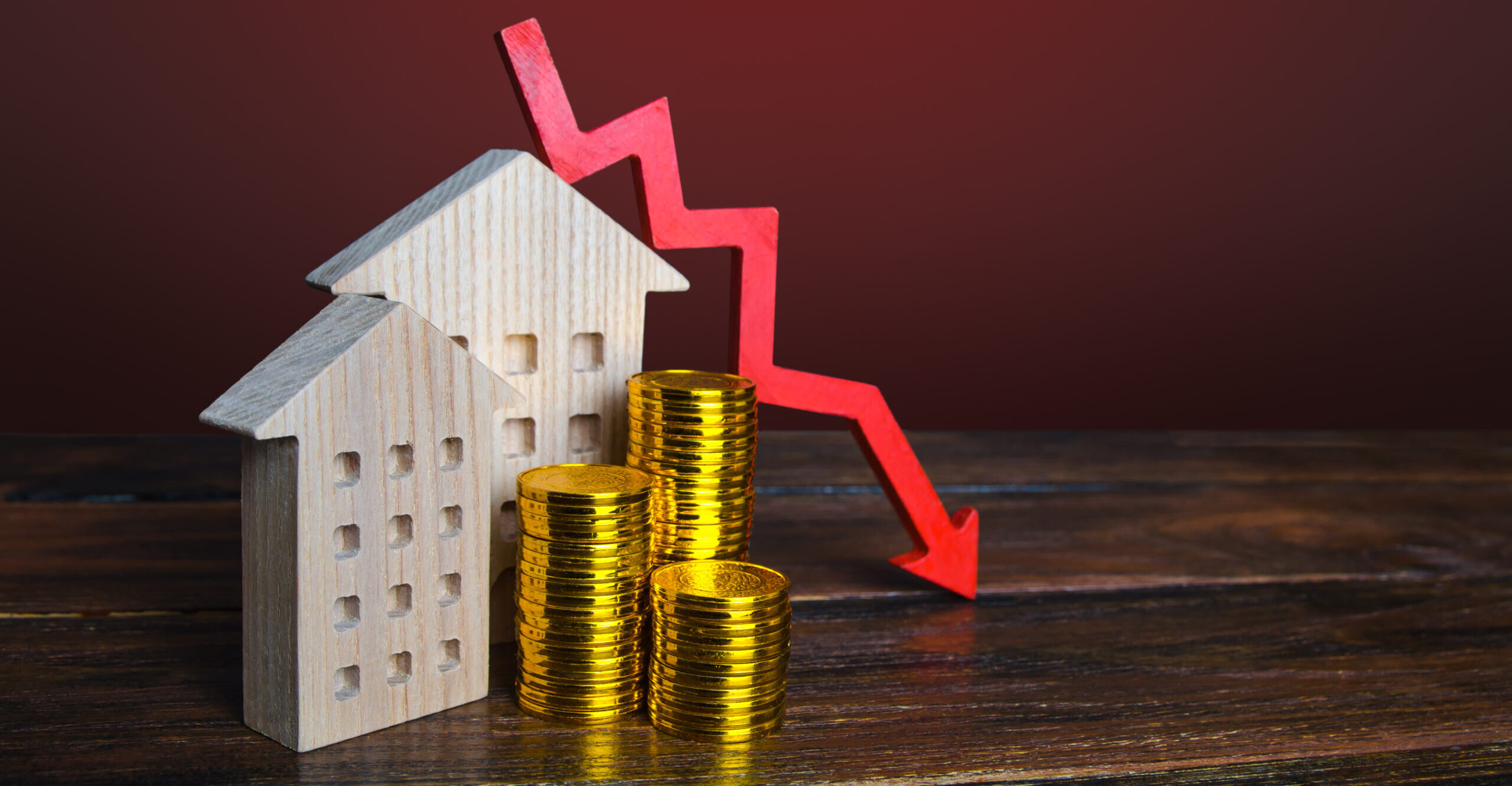
Have you ever wondered why some investors build portfolios of 3, 5, or even 10 properties, while others stay stuck with just one? The answer might surprise you. It’s rarely a massive inheritance, a stroke of luck, or a “unicorn” salary. It’s all about strategy, mindset, and action.
In a market as tight as 2026, the old “buy and hope” strategy is dead.
The biggest mistake in property isn’t buying the wrong house; it’s waiting too long to buy the right one. That’s the core philosophy of Moxin Reza, the data analyst and property expert behind Investor Partner Group (IPG). Whether you’re a first-time buyer paralyzed by the deposit hurdle or a seasoned homeowner sitting on equity, the message for 2026 is the same: Logic beats FOMO.
In this breakdown, Moxin uses his years of experience navigating complex markets to show you why most Australians stay stuck with a single asset.
The Biggest Property Mistake Australian Investors Make (And How to Avoid It in 2026)
From “Lazy Equity” to the “Dream Home” trap, we unpack what successful investors do differently to ensure their capital never stops moving.
Mistake #1 :You Need a “Big Bang” Entry
The biggest barrier to scaling isn’t actually interest rates or high prices, it’s the wait. Many people spend years sitting on the sidelines, waiting for a market crash that never comes or trying to save a massive $200,000 deposit to avoid Lenders Mortgage Insurance (LMI).
While they wait for that “perfect” 20% deposit, the market often outpaces their savings. Successful investors understand that time in the market beats timing the market. By utilizing government 5% deposit schemes or accepting LMI as a small “cost of admission,” they get their foot in the door during high-growth cycles. While others are still saving, these investors are already seeing their equity climb.
Click Property Ecosystem and read a comprehensive guide for real estate success.
Mistake #2 : Buying the Dream Home First
If you’re in your 40s or 50s and sitting in a nearly paid-off home, you might feel safe. But there is a massive difference between being “house-rich” and being “retirement-ready.”
We call it Lazy Equity. It’s the hundreds of thousands of dollars sitting under your roof that isn’t working for you.
Case in Point: We recently saw a property in Gracemere purchased for $365,000. To the naked eye, it wasn’t glamorous. It was an older home in a regional town. Today? It’s valued at over $670,000. That didn’t happen by “timing” the market; it happened by trusting the data on vacancy rates (currently under 1%) and supply shortages.
This is why we advocate for Rentvesting. It allows you to live in the suburb you love while your capital is deployed in high-performing investment corridors in Sydney and Brisbane where the growth potential is significantly higher. It’s about choosing lifestyle and assets, rather than sacrificing one for the other.
The Danger of “Lazy Equity”
Perhaps the most “shocking” fact of the 2026 market is how many homeowners are sitting on hundreds of thousands of dollars in equity without ever using it. This Lazy Equity is effectively a dead asset. It puts a roof over your head, but it won’t fund retirement.
Your home alone isn’t a retirement plan; it’s just a place to live. Smarter investors treat their equity like a business tool, using a Four Pillar System to recycle that value into new, income-generating properties. They understand that even if a property isn’t “glamorous,” the data-driven results, like we’ve seen with the Slingshot Effect in Melbourne, can turn that stagnant equity into a multi-property engine.
Mistake #3: Putting All Eggs in One Basket
A frequent pitfall for many investors is the “prestige trap”, funneling their entire budget into a single, high-priced property in a major metropolitan center. While owning a premium asset in a capital city feels inherently secure, it often acts as a financial anchor rather than a sail.
By locking all your capital into one location, you lose the safety net of diversification; if that specific local market plateaus or rental demand shifts, your entire portfolio suffers.
Conversely, seasoned investors prioritize velocity and footprint over prestige. Instead of one $1.2 million apartment, they might secure three $400,000 properties in high-growth regional hubs or emerging “bridesmaid” suburbs. This multi-asset approach spreads risk across different economic drivers and tax jurisdictions.
More importantly, it targets areas where the land-to-asset ratio is typically higher. Since land appreciates while buildings depreciate, holding multiple parcels of well-located land across various markets often yields far greater long-term compounding growth and a much more resilient income stream.
Read more: Trust Lending in Australia Explained
Mistake#4: Breaking the “Analysis Paralysis”
We see it every day: high-income earners with paid-off homes who are simply paralyzed by fear. They’re waiting for “certainty” in a world that doesn’t offer it. They worry about buying the “wrong” property, but in reality, the biggest mistake is the opportunity cost of doing nothing.
At Investor Partner Group (IPG), we help investors move past this paralysis by replacing emotion with cold, hard data. Whether it’s identifying off-market opportunities or navigating complex trust structures to protect your cash flow, our goal is to ensure your second, third, and fourth moves are as calculated as your first.
Mistake #5 : Poor Cash Flow Strategy
A common trap in property circles is the obsession with negative gearing. While it can offer some tax benefits, it’s a strategy that only holds water if the property is experiencing massive capital growth and you have the personal income to cover the shortfall.
The danger is overstretching your finances on “trophy” properties that drain your bank account every month. Eventually, every successful investor has to pivot their focus toward cash flow and yield. A sustainable portfolio isn’t just about what a property is worth on paper; it’s about the rental income it generates. If your properties aren’t supporting themselves, you’ll eventually hit a borrowing ceiling that brings your growth to a grinding halt.
Mistake #6 :Refusing to Cut Losses
The hardest part of investing isn’t buying, it’s knowing when to let go. Many investors hold onto underperforming assets for years, driven by the fear of admitting a mistake or the thin hope that the market will magically “fix” a bad purchase. However, the “opportunity cost” of holding a dud is the real wealth killer.
Every year you spend waiting for a stagnant property to move is a year you’ve lost out on a high-growth market elsewhere. Sometimes, the smartest, most professional move you can make is to sell a poor asset, reset your strategy, and reinvest that capital into a better opportunity. In the long run, the cost of doing nothing is almost always higher than the cost of correcting a wrong turn.
The Bottom Line
If your current portfolio is negatively geared and impacting your lifestyle, it might be time for remediation. There is no shame in admitting an asset isn’t performing. Scaling requires a team, tax accountants, brokers, and specialist property advisors—who can help you restructure and pivot toward yield and sustainability.
Property is a Business
The reality of the Australian market is that it doesn’t wait for you to feel comfortable. It rewards those who act decisively. If you’re ready to stop waiting for “the right time” and start building a strategy that actually scales, it’s time to move beyond the BBQ talk and look at the numbers.
Stop letting your equity sleep. Book a strategy session with the Investor Partner Group team today, or get your hands on a copy of The Millennial’s Guide to Property Investing to learn how to outpace the average and build a legacy that lasts.